

TL;DR
Office fruit delivery costs come down to a handful of variables. Here’s what to know:
- What it costs: office fruit delivery in Australia typically runs between $1.70 and $3.30 per employee per week, assuming two to three pieces are eaten per person.
- What that looks like: an office of up to 30 people might spend $35 to $55 a week, while workplaces of 60 or more start from around $100.
- What moves the number: headcount, hybrid patterns, fruit mix and delivery frequency are the biggest variables to keep in mind.
Office Fruit Delivery Cost Guide
You’ve been asked to find out what office fruit delivery will cost, and the quotes are hard to compare. One supplier prices per box, another per piece, a third per kilo. Some include delivery, some don’t. This guide breaks down the typical ranges across the Australian market so you can build a realistic budget line.
How Much Does Office Fruit Delivery Cost Per Employee?
The most useful number for a budget holder is the per-head figure, because you can scale it to any team size. Across the Australian market, office fruit delivery cost per employee starts at around $1.70 to $3.30 per week. That assumes two to three pieces of fruit per person for staff in the office five days a week.
For hybrid teams, adjust down. If your people are onsite three days a week, you’re ordering fewer pieces and the weekly cost per head drops accordingly. The trap is ordering for total headcount rather than average daily attendance, which pushes your spend up and your wastage with it.
As a quick reference: 20 staff at two to three pieces each is 40 to 60 pieces a week, which lands in the $35 to $55 range in the table below. Scale that to your own headcount, and adjust down if your team is hybrid.
All that said, it’s worth keeping in mind that a guide will only take you so far. The quickest way to a real number is to contact The Fruit Box Group, talk through your office size and get a free starting quote.
Office Fruit Delivery Prices by Office Size
The table below gives indicative weekly ranges based on common order sizes. Your actual cost can depend on the variables covered in the next section.
| Office size | Approximate pieces per week | Indicative weekly cost |
| Up to 30 people | 35 to 60 | $35 to $55 |
| 30 to 60 people | 60 to 180 | $55 to $155 |
| 60+ team members | 120+ | $100 and onwards |
Larger orders often get better per-piece pricing because suppliers can justify the logistics on higher volumes.
What actually drives the cost
Not all fruit orders are equal. These are the variables that move the number most:
- Headcount and days in the office. Your hybrid pattern matters more than your total staff count. We recommend budgeting for your average daily in-office attendance.
- Piece count versus weight. Some suppliers price per piece, others per kilogram. The two can be difficult to compare directly, so ask for a per-piece breakdown if you’re evaluating quotes side by side.
- Fruit mix. Apples, bananas and mandarins are the staples that get eaten by all, and they set a great, affordable baseline for your box. Berries or avocados are the pick for offices with more budget to play with or a team that loves variety.
- Delivery frequency. Look for a supplier that does not charge delivery fees, particularly on larger orders, because a per-drop fee adds up quickly across a year.
- Location. Metro deliveries are standard and regional areas can attract additional fees. Look for a supplier that can deliver to every site you run, such as The Fruit Box Group, because a national supplier will often price multiple locations as one consolidated order rather than quoting each site separately. Multi-floor splits are worth raising upfront too.
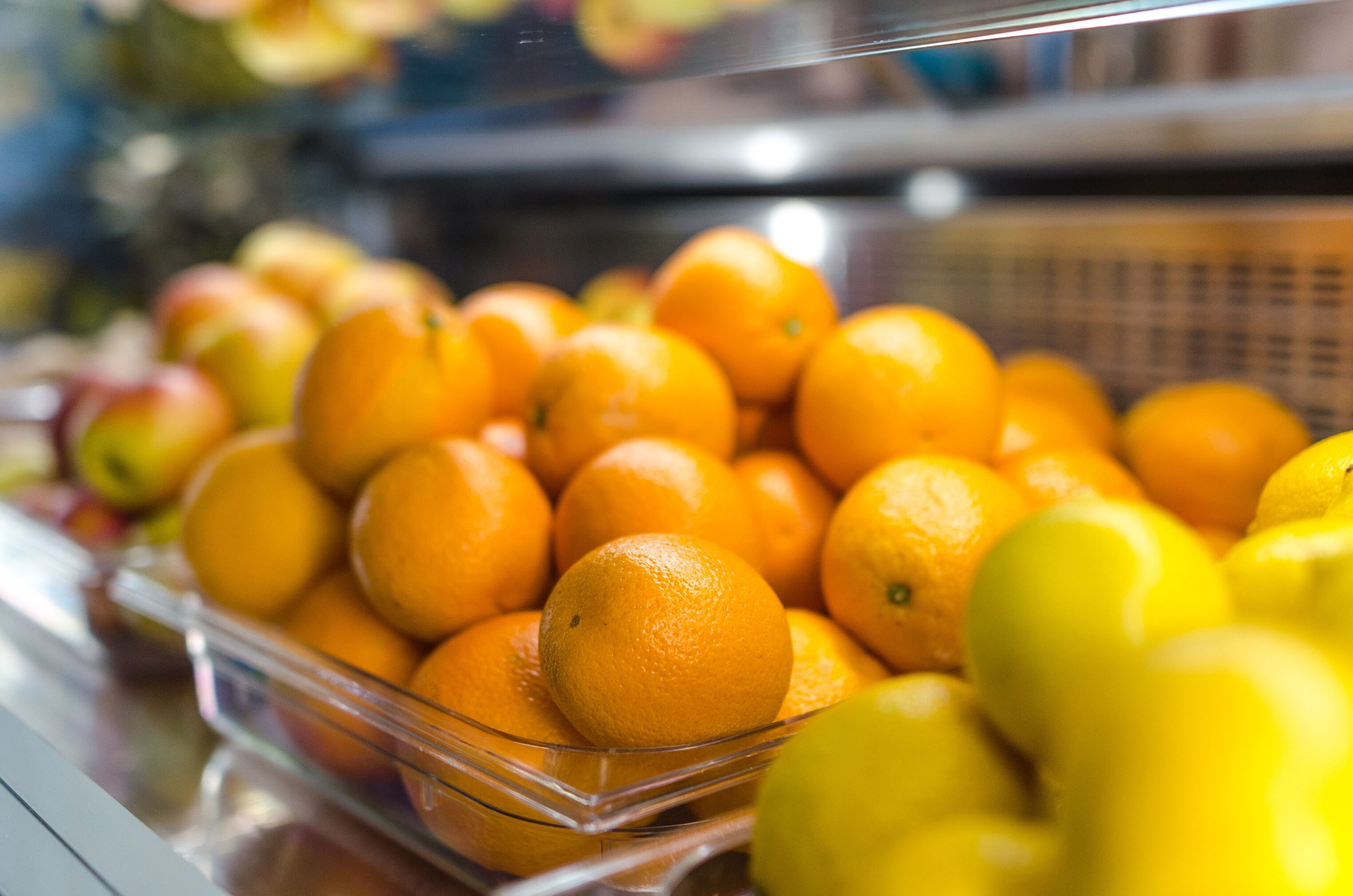
Image source: Pexels
Extra Costs to Consider
The headline box price is rarely the full picture. These are the line items that catch people out when the first invoice arrives:
- Minimum order quantities. Most office fruit suppliers set a floor, commonly from around 30-45 pieces.
- Delivery fees. Some suppliers waive these on recurring weekly orders but charge for ad hoc or one-off drops. Look for a supplier that includes delivery outright, particularly if you’re ordering for a larger team or across several sites, because a per-drop fee compounds across a year.
- Fuel levies. Off the back of macro-global and national factors, suppliers can add a percentage-based fuel surcharge to invoices. It’s usually small but worth confirming upfront.
- Invoicing and payment terms. Ask how a supplier invoices and whether they offer credit terms. A single consolidated invoice on account terms slots into existing procurement and accounts payable processes far more easily than paying per drop, and it saves you reconciling multiple charges each month.
- Wastage. If the box is too large for your team or the fruit all ripens at once, you’re paying for produce that goes in the bin. Also make sure the box itself is recyclable!
Flexibility, and the Cost That Does Not Appear on the Invoice
A standing order takes the weekly decision off your plate, and the useful part is being able to adjust it. Quiet weeks, public holidays, office shutdowns and shifting hybrid rosters all change how much fruit your team actually eats. Being able to scale up, scale down or pause keeps your spend aligned with real consumption rather than a number set months ago.
Then there’s the admin cost. Right now, someone on your team is probably doing a supermarket run, hauling bags through the lobby and chasing receipts for reimbursement. That time has a real cost to the business, even if it never appears as a line item. A delivery partner removes that task entirely, which for a budget holder is a labour saving, not just a convenience.
It’s also worth remembering who the fruit is for. A full bowl gives people something to grab mid-morning or when the 3pm slump inevitably sets in, rather than heading out for a snack or skipping it altogether. That’s the part staff actually notice and value from their employers.
Office Fruit Delivery Cost FAQs
Is office fruit delivery cheaper than buying the fruit yourself?
On a per-piece basis the two sit in similar territory. The real difference is the time back: nobody has to drive to the shops, queue, load up and unload again every week. For most offices that recovered time is worth more than any per-piece difference.
What is the minimum order for office fruit delivery?
Minimums are typically set as a piece count per delivery rather than a dollar value, but they can vary between suppliers. Ask whether the minimum applies to each delivery or to the whole order, and whether it can be split across multiple sites or floors.
How often should office fruit be delivered?
Once a week works for most offices. Larger teams or workplaces that go through fruit quickly may benefit from multiple weekly drops to keep everything fresh. Match the frequency to your consumption rather than defaulting to the most frequent option available.
Getting Fruit Delivered to Your Workplace
The Fruit Box Group delivers office fruit across Melbourne, Sydney, Brisbane, Perth, Adelaide, Canberra, Geelong, Newcastle, Wollongong and the Gold Coast.
Orders start from a 35-piece minimum, and delivery is free once that minimum is met, with no additional charges for regional areas, multi-site orders or multi-floor splits.
Fruit is hand-picked in season, prioritising local buying and packing in every state to keep it fresh and food miles low. Ordering stays flexible, so you can scale up, scale down or pause as needed.
Beyond fruit, you can also consolidate your office milk, coffee and full pantry deliveries as well, so you can run the whole tearoom on a single account. If you’re ready to put a number to your budget, we’ll build a quote around your office.