
TL;DR
- Summer runs from December to February, with peaches and nectarines arriving in November and plums and grapes in December
- Apples, bananas and Valencia oranges stay in the box all season as reliable staples
- A range of summer fruits, including cherries, can be added to your order as preference items. Cherries can also be sent as corporate gifts
- National stone fruit volumes are forecast to be lower after a warm 2026 winter
- Our multi-region sourcing keeps deliveries consistent
- At around $1.70 to $3.30 per employee per week, office fruit is a low-cost way to support your whole team every day
Summer Fruit in Australia 2026: What to Expect in Your Workplace Fruit Program
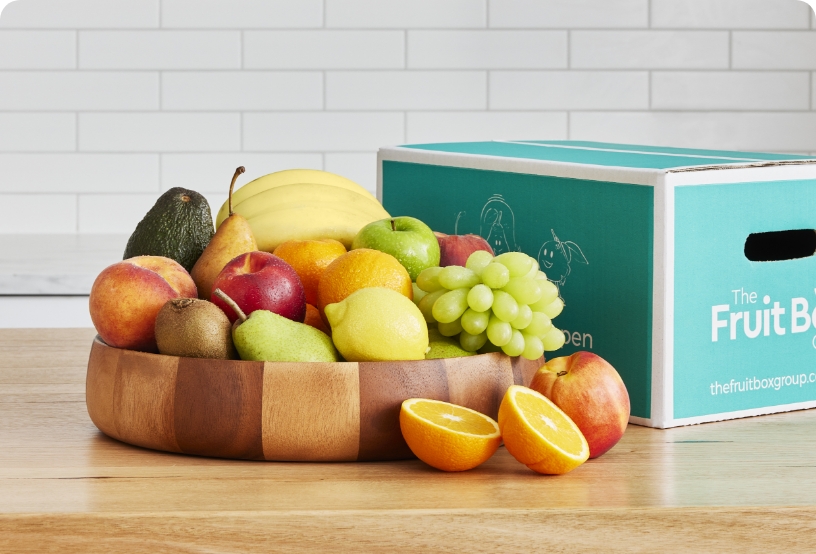
Summer brings the biggest change to the fruit calendar all year. Peaches and nectarines arrive in November, plums and grapes follow in December/January, and together they join apples, bananas and Valencia oranges in workplace deliveries across Australia.
It is also a busy time for anyone managing the office kitchen. Most workplaces slow down over Christmas and New Year, then welcome teams back in January, which makes summer a natural point to review your fruit delivery, or set one up for the year ahead.
If your workplace doesn’t have a fruit delivery yet, you can request an obligation-free quote and have your first box ready for the return to the office.
What Fruit Is in Season in Australia in Summer 2026?
Summer covers December to February. Here is what to expect in your fruit box:
| Apples | Bananas | Valencia oranges |
|---|---|---|
| Royal Gala, Pink Lady, Granny Smith, Red Delicious, Sundowner | Far North QLD – brighter skin in warm weather | The summer orange – juicy and easy to share |
| Peaches and nectarines | Plums and grapes | Preference items* |
|---|---|---|
| From November, through summer | From December, through summer | Cherries, mangoes, strawberries, pineapple, melons |
* At The Fruit Box Group, cherries, mangoes, strawberries, pineapple, melons are available as preference items, rather than standard inclusions – see below for how to add them to your order.
Summer stone fruit ripens quickly in warm weather and is best eaten within a few days of delivery. Ordering to the number of people in the office each week, rather than total headcount, keeps the fruit bowl fresh and reduces waste.
When Are Peaches, Nectarines and Plums in Season in Australia?
Stone fruit is the defining fruit of an Australian summer. Peaches and nectarines start in November and plums follow in December, with most of the crop grown in northern Victoria, the Riverland in South Australia and central west NSW. All three run through summer and bring vitamin C, vitamin A, potassium and fibre, along with welcome variety after the apple and citrus months of winter and spring.
Stone fruit keeps ripening after delivery. Firm fruit left on the bench for a day or two becomes sweeter, while ripe fruit lasts longer in the fridge. A short note in the kitchen helps your team get the most from each delivery.
When Are Grapes in Season in Australia?
Australian grapes start in Queensland in late November and December, then the season moves south to NSW and Sunraysia on the Victoria–NSW border, which grows around 70% of the national crop and supplies from January. Red, green and black seedless grapes need no preparation and are easy to share in meetings. They don’t ripen further once picked, so they are at their best straight from delivery and keep well in the fridge.
Apples, Bananas and Valencia Oranges: The Summer Staples
Apples are one of the most dependable items in a summer fruit box. Royal Gala, Pink Lady, Granny Smith, Red Delicious and Sundowner give a mix of sweet and tart, need no preparation and hold up well in a warm office kitchen.
Bananas from Far North Queensland are a year-round favourite. In summer their skin turns noticeably brighter and they ripen faster once delivered, so keep them out of direct sunlight and out of the fridge to help them last through the week.
Valencia oranges take over from navels as the summer orange. Grown in the Riverland and the NSW Riverina, they are juicy, high in vitamin C and easy to share. In warm weather they can show a light green tinge near the stem. This is natural and doesn’t affect the fruit inside, which is ripe and sweet.
Cherries, Mangoes, Melons and More: Summer Preference Items
Cherries, mangoes, strawberries, pineapple, rockmelon and seedless watermelon aren’t part of the standard summer box, but they are a popular addition for end-of-year celebrations, client meetings or teams that use the tearoom for breakfast. Cherries are available from December, mangoes come from the Northern Territory and Queensland and peak in December and January, and summer strawberries come from Victoria, South Australia, Western Australia and Tasmania.
Summer is also melon and pineapple season. Rockmelon and seedless watermelon are refreshing and hydrating on hot days, and Queensland pineapple brings a sweet tropical option to the tearoom. All three are ideal for sharing platters at team lunches and Christmas gatherings.
Preference items can be added through our online customer portal, Fruit Box Connect, or via the Support Centre up to 12pm one business day before delivery.
Cherries can be ordered in two ways. To order cherries for your team to share in the office, email our sales team at sales@thefruitbox.com.au. To send cherries to clients or staff as a thank you this Christmas, explore our corporate holiday gifting range.
Summer Fruit and Your Office Pantry
Summer fruit pairs naturally with a few pantry staples. Sliced peaches or nectarines over yoghurt and muesli make an easy workplace breakfast, and grapes and plums sit well alongside crackers for a shared afternoon spread.
What Is Affecting Australian Fruit Supply in Summer 2026?
Summer 2026 follows an unusually warm winter across eastern Australia. Stone fruit trees need a run of cold nights to flower evenly, and warmer winter conditions in the Goulburn Valley and central west NSW led to uneven flowering in some orchards. As a result, national peach and nectarine production is forecast to be around 9% lower than last season. El Niño is now underway too, and the Bureau of Meteorology’s latest long-range forecast points to a hotter than average start to summer, with a higher risk of heatwaves.
Other summer staples are in a stronger position. Australia’s orange crop is forecast to grow around 8% in 2026, banana volumes have been high through the year, and Australia grows well above what it eats in table grapes, so local supply is expected to hold despite a smaller crop last season. Growers are also carrying higher fuel, fertiliser and water costs this year.
What this means for your workplace: summer fruit boxes will include peaches, nectarines and plums throughout the season, alongside apples, bananas, Valencia oranges and grapes. Because we buy from growers across multiple regions and work with them closely through the season, we see changes early and plan our selections ahead, so your team receives quality seasonal fruit every week. Our seasonal fruit guide shows what to expect across the year.
Is Office Fruit Worth It? The Value Fruit Brings to Your Workplace
2026 has been a tight year for many Australian businesses. NAB’s monthly business survey shows conditions at a six-year low with cost pressures still elevated, so discretionary spend is under closer review. Office fruit holds its place for a few simple reasons.
It costs little and reaches everyone. Office fruit delivery typically costs around $1.70 to $3.30 per employee per week. Few workplace initiatives reach the whole team every day for less, and unlike a one-off event, the benefit is there every day your team is in.
It makes the healthy choice the easy one. Only 44% of Australian adults eat the recommended two serves of fruit a day. A stocked fruit bowl puts a healthy option within reach when the afternoon slump hits, without asking anyone to change their routine.
It makes the office a better place to be. As more workplaces ask teams back on site, a well-stocked kitchen is a small, everyday signal that the business looks after its people.
It keeps teams energised and on site. Fruit on hand means fewer trips out for snacks and steadier energy through the afternoon. In summer, water-rich fruit like grapes, oranges and stone fruit also helps teams stay hydrated.
Spend stays in step with usage. There are no lock-in contracts, quantities can be adjusted as you learn what your team eats, and deliveries can be paused over shutdown periods.
Planning for the return to the office in January?
Tell us your headcount, office days and delivery location, and we’ll put together a fruit delivery quote to suit your team, with milk, pantry and coffee if you need them.
Managing Your Office Fruit Delivery Over Christmas 2026
Many workplaces close or run with smaller teams between Christmas and mid-January. If you’re an existing customer of The Fruit Box Group, you can edit your standing order to pause or reduce deliveries before the break, so fruit doesn’t arrive at an empty office, then scale back up in time for your team’s return.
If you’re setting up a fruit delivery for the first time, January is a natural starting point, with new-year wellbeing plans and budgets in place and teams back in the office. Find out more about office fruit delivery or request a quote to get started.
Frequently Asked Questions
What fruit is in season in summer 2026 in Australia?
Summer in Australia runs from December to February. Peaches, nectarines, plums, table grapes, Valencia oranges, bananas and apples are all available, along with cherries, mangoes, strawberries, pineapple and melons.
What fruit is in season in December in Australia?
December is one of the most varied months of the year. Peaches, nectarines, plums, table grapes, Valencia oranges, bananas and apples are all available, along with mangoes, strawberries, cherries, pineapple, rockmelon and seedless watermelon. It is a good month to add preference items for end-of-year team events.
When are mangoes in season in Australia?
Australian mangoes are available from around September to March, starting in the Northern Territory and moving into Queensland, with peak supply in December and January. At The Fruit Box Group, mangoes are a preference item that can be added to your order.
When are grapes in season in Australia?
Australian grapes are in season from late November to around April. Queensland supplies first, followed by NSW and the Sunraysia region, which grows around 70% of the national crop and supplies from January.
How will El Niño affect fruit in Australia in summer 2026?
El Niño typically brings hotter, drier conditions to eastern Australia. Combined with a warm winter, national stone fruit volumes are forecast to be lower than last year, and some varieties may have a shorter season. At The Fruit Box Group, we source from multiple growing regions and plan selections ahead with our growers, so your summer fruit box stays full of quality seasonal fruit.
Why are my oranges green in summer?
Valencia oranges can show a light green tinge near the stem in warm weather. It is a natural response to the heat and only affects the skin. The fruit inside is ripe, sweet and juicy.
How do you keep fruit fresh in the office in hot weather?
Keep bananas and firm stone fruit at room temperature, out of direct sunlight, until ripe. Move ripe stone fruit and grapes into the fridge. Apples and Valencia oranges keep well either way. Ordering to your in-office headcount also helps reduce waste when fruit ripens quickly.
Can we pause our office fruit delivery over Christmas?
Yes. Standing orders can be paused, reduced or changed at any time through Fruit Box Connect or the Support Centre. Update your order before your office closes so deliveries restart in time for your team’s return in January.
How much fruit does an office need per person?
A common starting point is two to three pieces of fruit per person per week, adjusted for how many days your team is in the office. Summer fruit tends to be eaten quickly, so many workplaces order a little more in the warmer months.
Is office fruit delivery worth it?
For most workplaces, yes. Office fruit reaches the whole team every day at a low cost per person, makes healthier snacking easy, and helps make the office a place people want to be. With no lock-in contracts and adjustable quantities, spend stays in step with what your team eats.
How much does office fruit delivery cost?
Office fruit delivery in Australia typically costs around $1.70 to $3.30 per employee per week, depending on team size, office attendance and fruit mix. Our office fruit delivery cost guide breaks this down by office size, or you can request a quote for your workplace.
Get your team set up for summer
Fresh seasonal fruit delivered to your workplace each week, with milk, pantry and coffee on one invoice. No lock-in contracts. Request a quote online or call 1300 766 760.